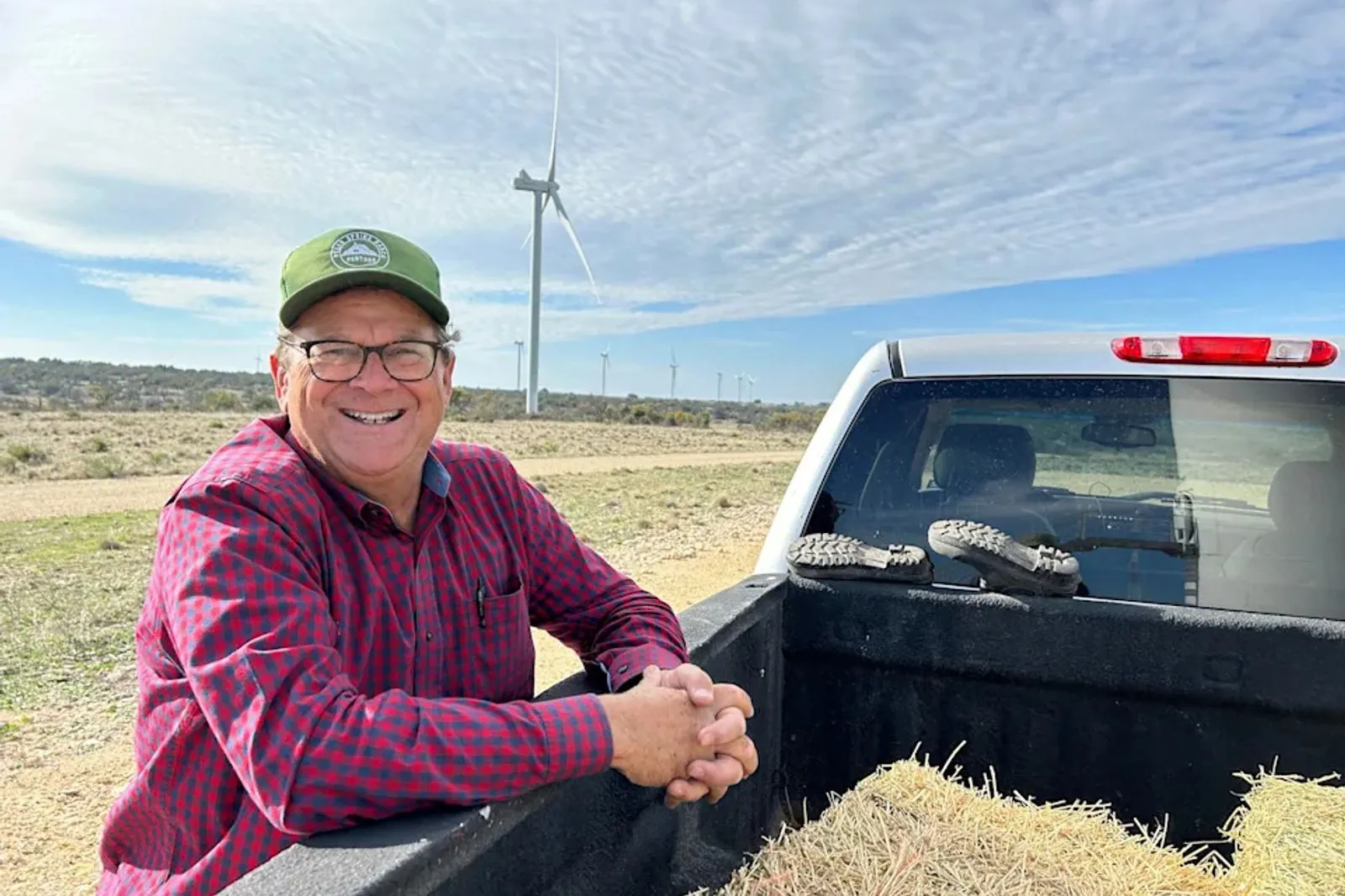
The Honorable John Davis
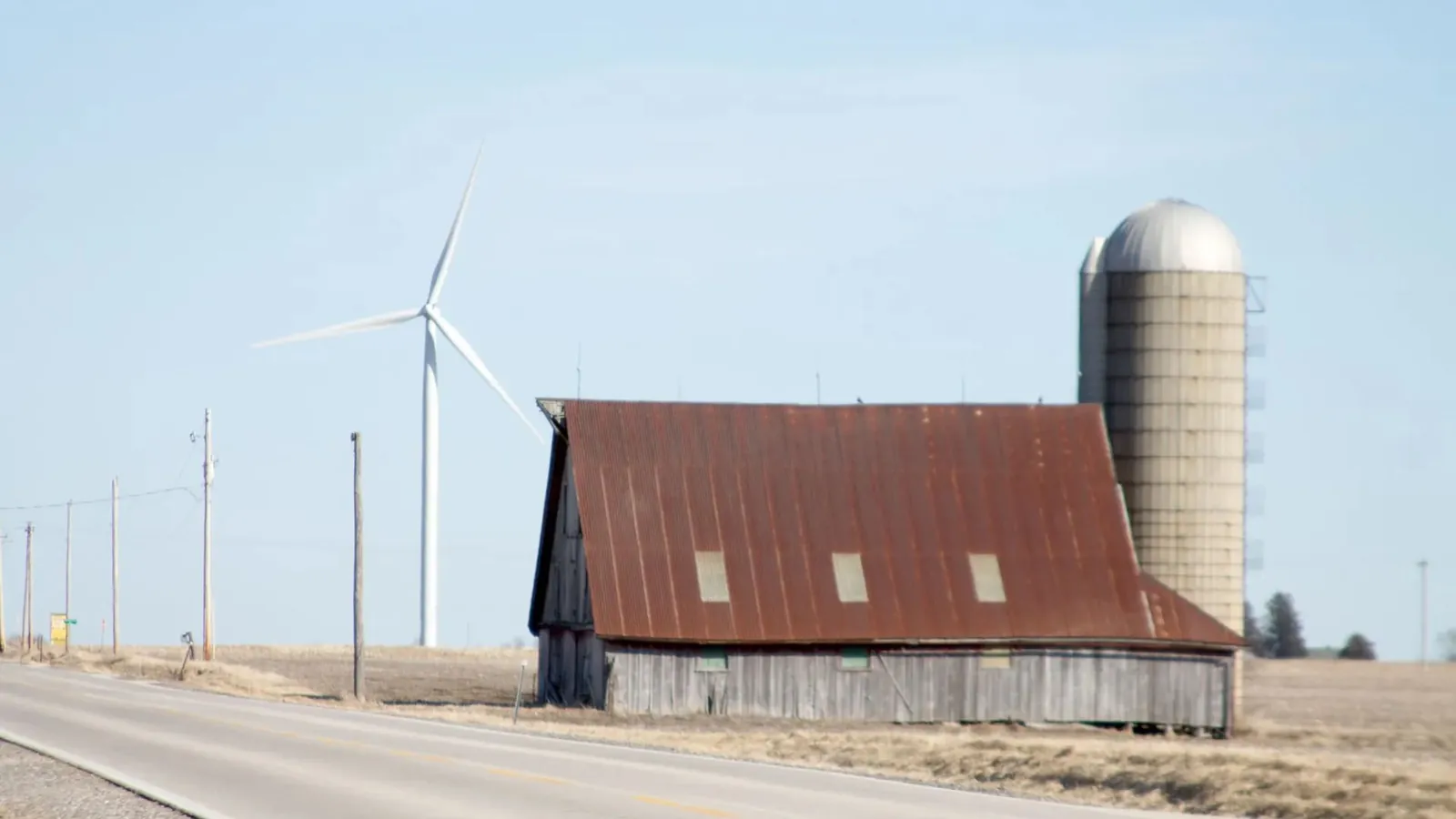
Wind lease payments help keep family land in family hands
Rural Texas Energy Voices
Farmers, ranchers and landowners on how Texas energy keeps family land in family hands — and keeps the lights on.
Who we are
Rural Texas Energy Voices brings together rural Texans who provide the food, fuel, and fiber for our state. We share how energy projects in rural areas make the most of Texas’ abundant natural resources — strengthening our communities and keeping our grid reliable.
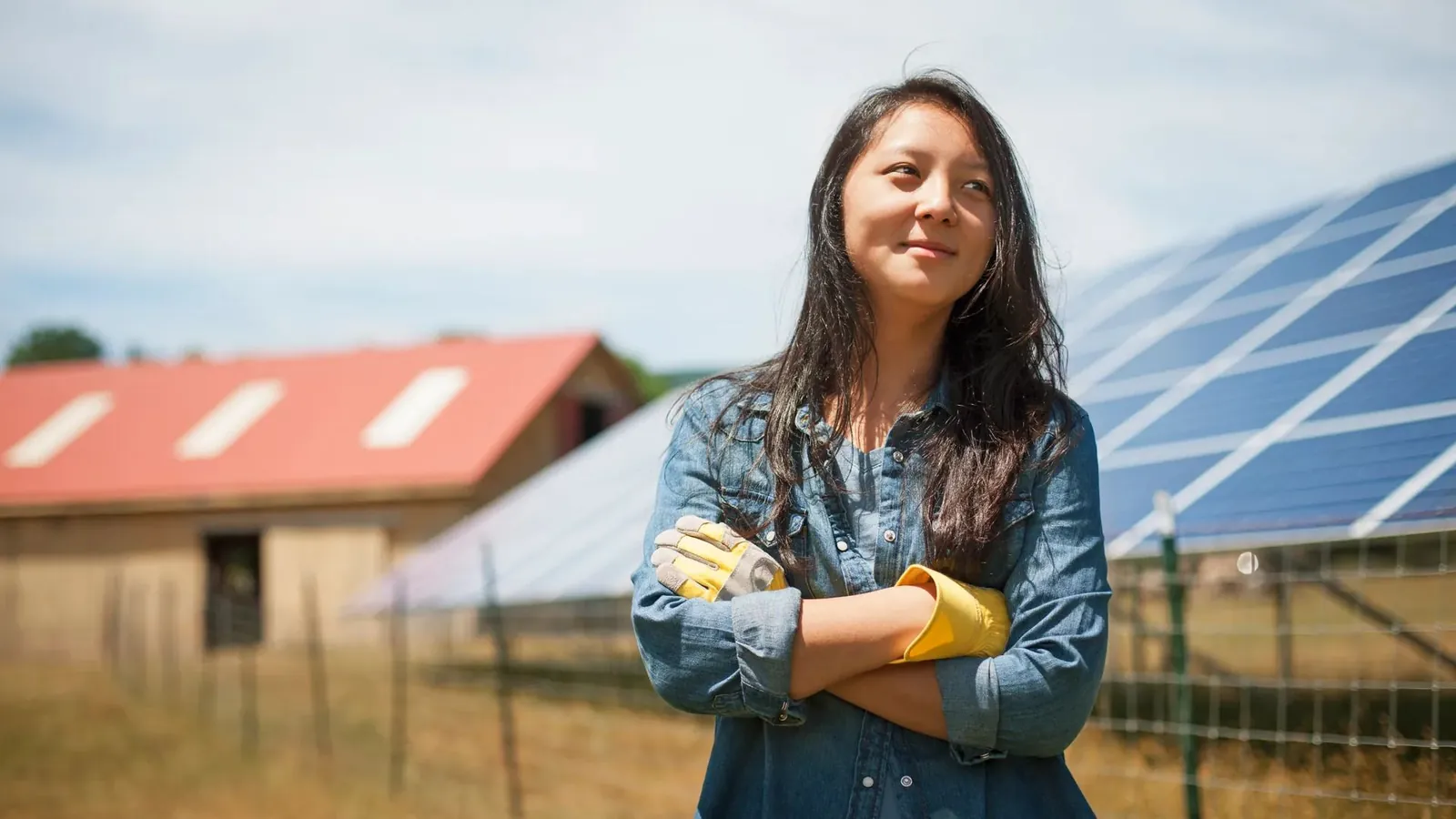
Renewable energy — especially from solar, wind, and battery storage — provides essential revenues for Texas landowners, local schools, police and fire departments and rural economies. It’s a lifeline for our communities, and it keeps the lights on in Texas.
66 billion
gallons of water Texas saved in 2024 by generating power from wind, solar and batteries
372 TWh
ERCOT electricity demand in the first nine months of 2025 — up 23% since 2021
70,000+
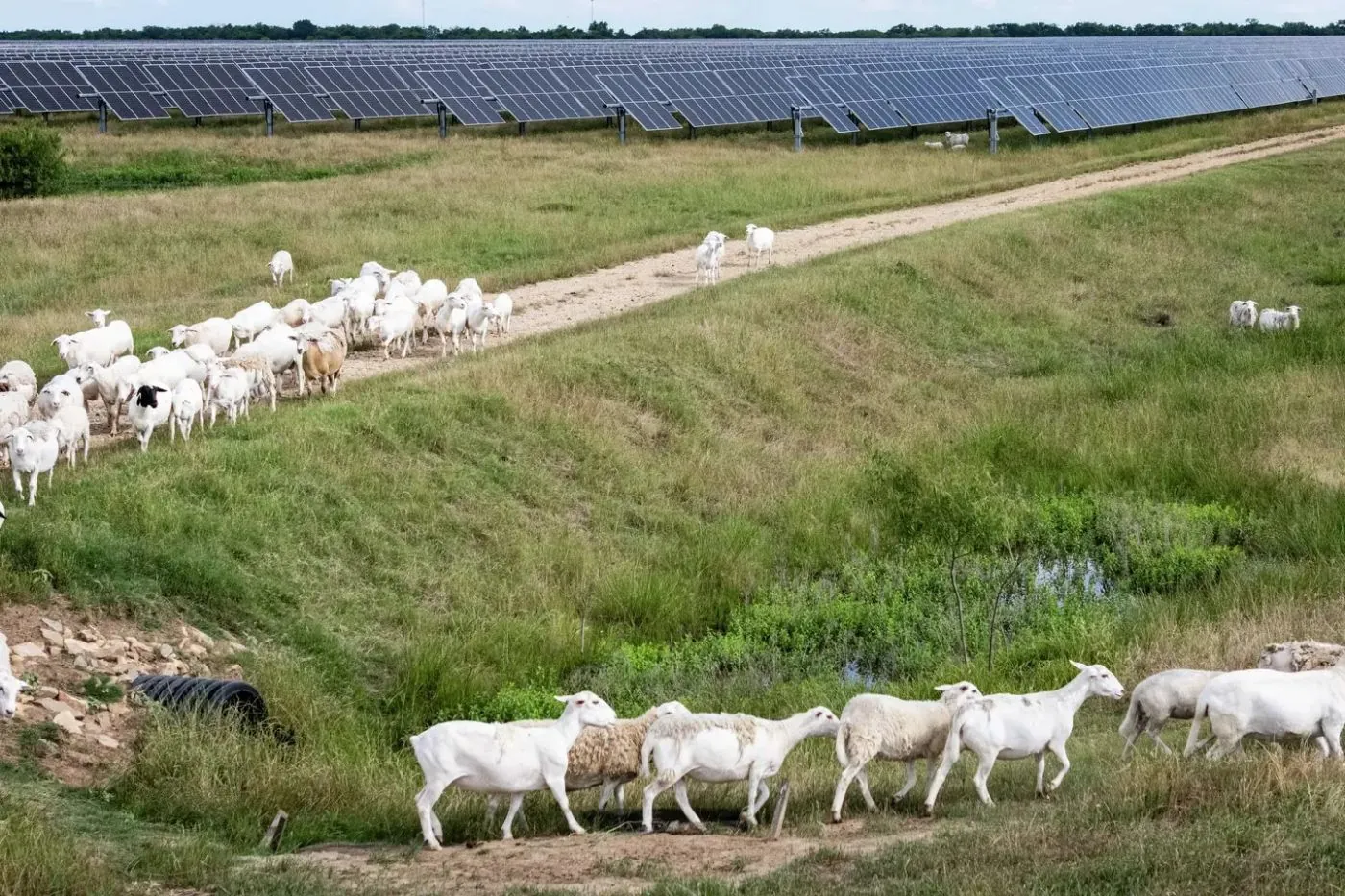
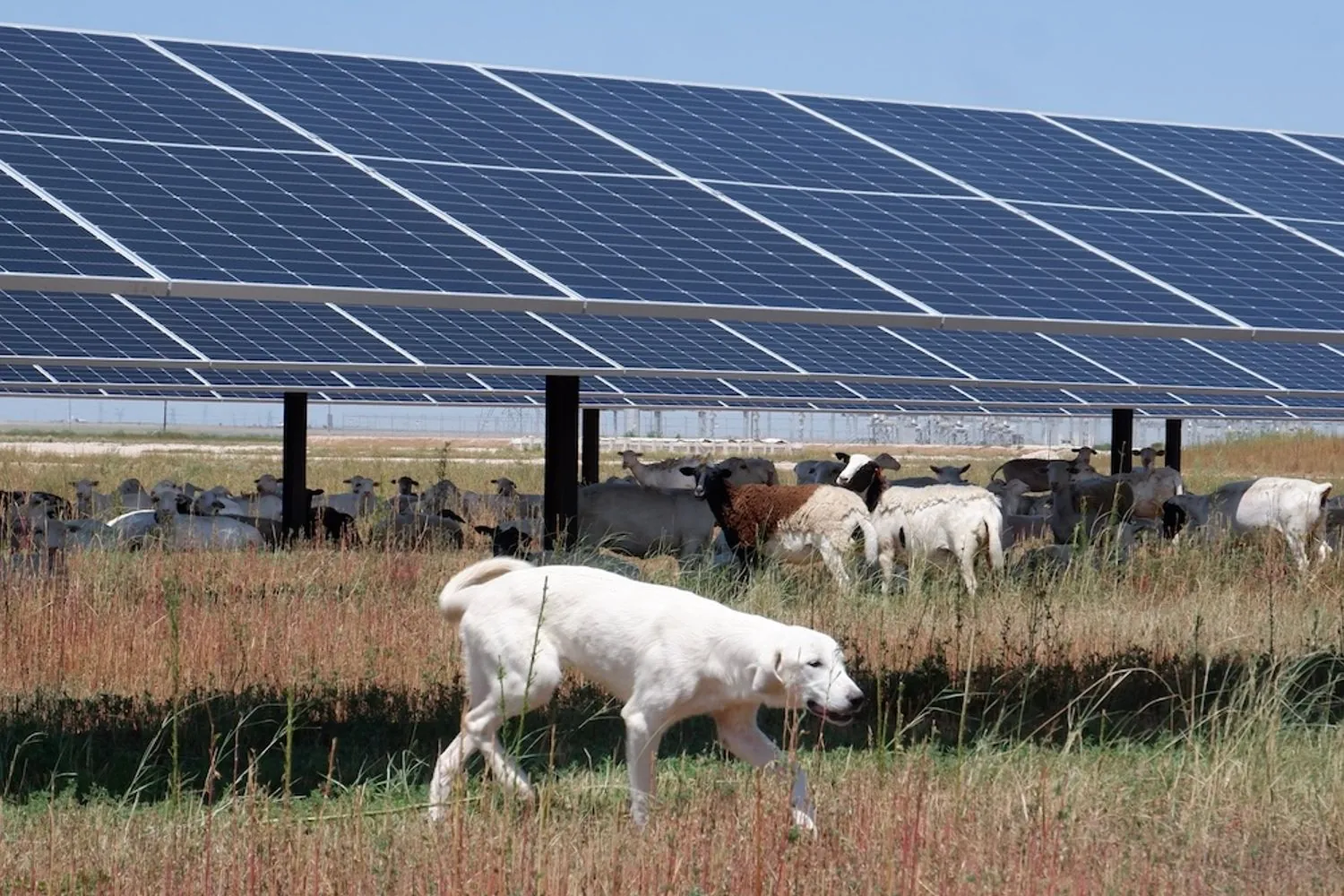
acres of Texas solar sites grazed by sheep ranchers and their flocks
$100M
in new tax revenue the Hornet solar plant will deliver to Swisher County over 40 years
Real Texas Voices
Hear directly from the farmers, ranchers, and landowners whose businesses, families, and communities are thriving thanks to Texas’ diverse energy economy.
Wind lease payments help keep family land in family hands
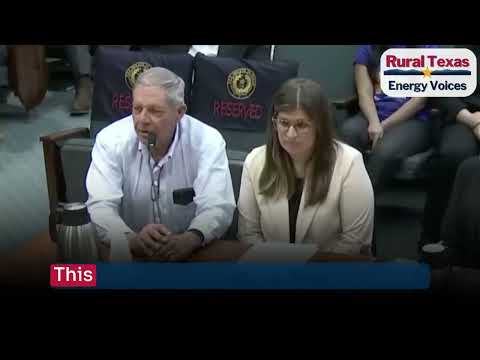
Wind has provided the only revenue seen here since 1900

Renewable energy funds rural schools & counties

Solar helps preserve family legacy
Wind revenue keeps family ranch intact

Solar helps keep farmland in family
The grid & the land
Demand on the ERCOT grid continues to grow, and energy bills are rising for families and businesses. To meet that demand and control electricity prices, Texas must tap its abundant renewable energy resources and embrace fast, clean, reliable energy technologies. Rural Texas has a critical role to play in meeting that goal.
Texas communities also face repeated droughts, and growing energy demand is further straining our limited water resources — unlike some energy resources, wind, solar, and batteries use no water. By developing this abundant, nation-leading energy, Texas saved 66 billion gallons in 2024.
Coverage
On this week’s Energy Capital Podcast, Joshua Rhodes talks with John E. Davis, a fifth-generation rancher and former Texas state representative who chaired the House Economic and Small Business Development Committee.
As Texas continues to add utility-scale solar projects, ranchers and farmers are finding ways to keep land in agricultural production while also benefiting from renewable energy development. Solar grazing is one…
The 600-megawatt Hornet solar power plant added more than $5 million in new tax revenue to Swisher County during its first year in operation, towards a total of $100 million to be fulfilled over the next 40 years.
Answers
Rural Texas Energy Voices is a project of the Advanced Power Alliance that brings together Texas farmers, ranchers and landowners to share how wind, solar and battery storage projects on their land support their families, their communities and a reliable ERCOT grid.
Wind and solar projects pay landowners lease revenue and pay local property taxes or payments in lieu of taxes. In Swisher County, for example, the Hornet solar plant added more than $5 million in its first year, including over $2.6 million for Tulia ISD.
Yes. Through solar grazing, sheep graze under and around the panels. More than 70,000 acres of Texas solar sites are already grazed by sheep ranchers, giving them access to land while managing vegetation for the project.
Wind, solar and battery storage use no water to generate electricity. By relying on these resources, Texas saved an estimated 66 billion gallons of water in 2024.
Visit the Join Us page and choose “Share my story,” or email info@txruralenergy.org. We feature Texas landowners, farmers, ranchers and local leaders.
Join rural Texans standing up for private property rights and reliable, affordable power.